

Tracking Climate Finance by Geography
As governments work to implement the Paris Agreement, they need to understand domestic flows of finance so they can better align them with their climate goals, identify gaps, and unlock the private investment needed for green, resilient development.
Our tracking work supports these efforts and is used to provide robust analysis of how much climate finance is flowing in and to high impact emerging economies at the regional, national and subnational level. We work directly with governments to identify the enabling conditions that are most likely to drive investment to support low carbon, climate resilient growth.
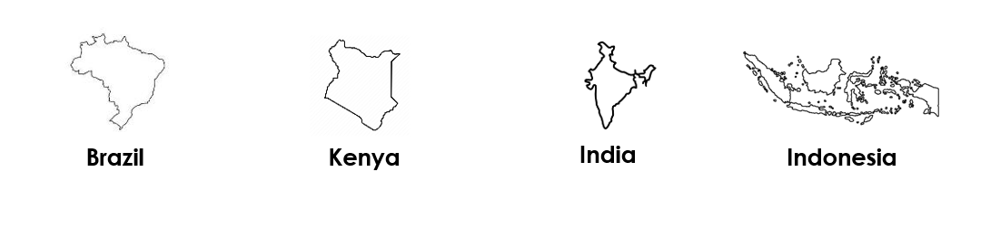
To date, more than 15 countries have used our methodology to track financial progress on NDCs, including:
Featured work
Publication
The South African Climate Finance Landscape 2023
The report aims to provide consistent information on current climate investments in South Africa to highlight existing gaps, spotlight opportunities, and provide a foundation to mobilize and scale climate finance.
Publication
Landscape of Climate Finance in Africa
The most comprehensive overview of climate investment flows in Africa.
Publication
Landscape of Green Finance in India 2022
An update to India’s first-ever effort to track green investment flows that measures both public and private sources of capital for FY 2019-20
Latest work
Publication
Landscape of Climate Finance in Africa 2026
The third edition of the Landscape of Climate Finance in Africa finds climate finance has more than doubled to USD 74 billion a year in 2023/24. It explores who provides it, where it goes, and how far it falls short of needs, with five priorities to scale investment across the continent.
Data Visualization
Climate Finance in Africa Dashboard
Use this dashboard to explore the Landscape of Climate Finance in Africa.
Publication
IDFC Green Finance Mapping 2026
Green finance commitments rebound to USD 196 billion. IDFC members mobilized USD 1.5 trillion in cumulative green finance between 2019 and 2025, surpassing their USD 1.3 trillion pledge. Explore the key findings on mitigation, adaptation and biodiversity finance.
Publication
Bottom-up Climate Finance Needs
CPI’s bottom-up climate finance needs analysis can help identify the largest gaps at the country level, track progress against climate targets, and better inform decision-makers and financial institutions on how to increase the speed, scale, and quality of climate finance.
Publication
Methane Abatement Finance: Current Landscape and Pathways to Scale
This brief tracks methane abatement finance across three major methane-emitting sectors from 2021 to 2023 and identifies pathways to scale.
Publication
Tracking the Climate Transition of the Global Financial System: Insights from the Net Zero Finance Tracker
Drawing on an assessment of 1,500 of the world’s major financial institutions, this report examines progress across climate targets, implementation, and real-economy outcomes. It identifies where institutions are advancing, where challenges remain, and actions needed to accelerate the transiti...
